Background
A hydraulic dam, also known as a hydraulic concrete lifting dam, is a simple yet effective water conservancy technology widely used in agricultural irrigation, fisheries, tide control, urban river landscapes, and small hydropower stations.
To eliminate potential safety hazards and improve fault alarms, an industrial IoT system is introduced into this application. The IoT system must meet the following requirements:
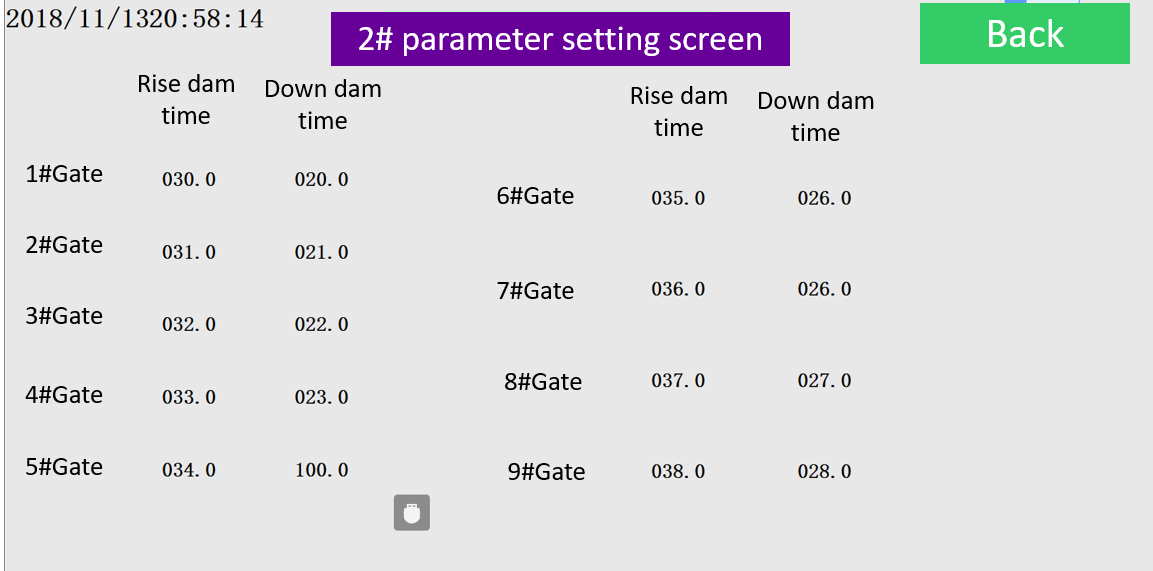
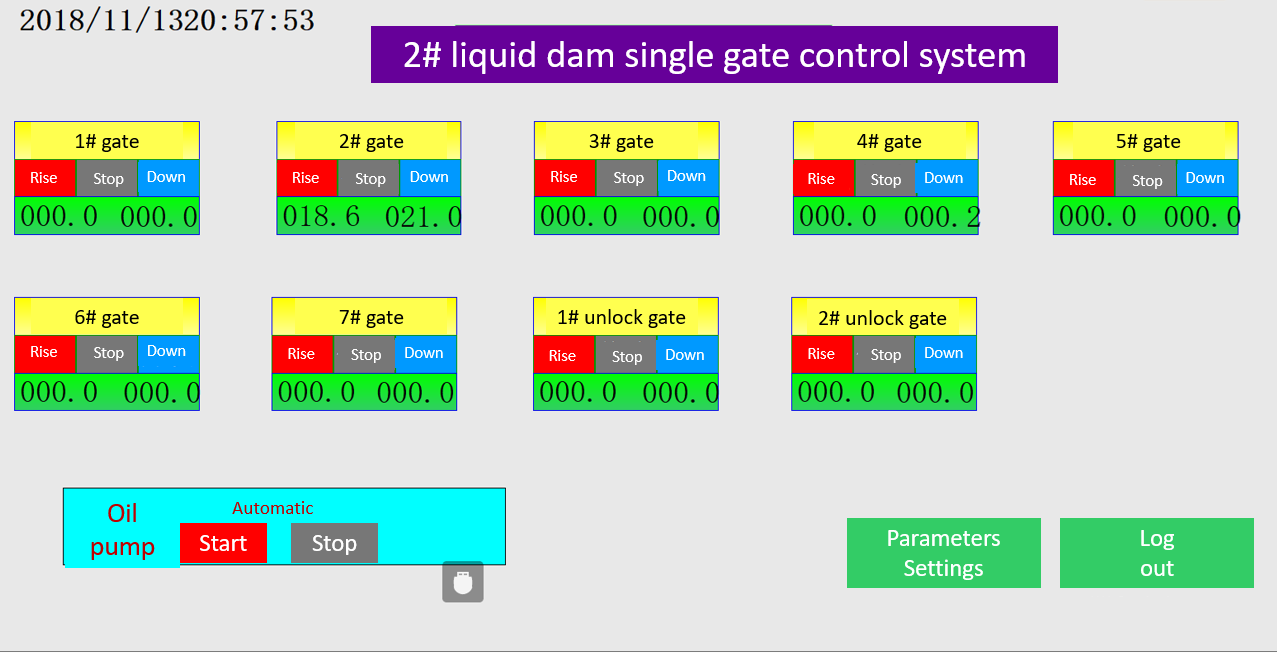
1. Connect to the hydraulic pump to read detailed information including gate status, water level, lifting-dam operation time, pump status, and overall system usage.
2. Receive equipment alarm information in real time, allowing administrators to remotely monitor alarm statuses.
3. Compare and analyze equipment operation efficiency and process characteristics, helping engineers better understand system performance.
4. Achieve energy savings and improved production efficiency through data management on PC, mobile apps, and large-screen displays.
5. Support 4G communication.
6. Provide device positioning functions.
7. Support remote PLC program upload/download and online debugging.
System Structure
The V-NET IoT architecture consists of four layers: System Control Layer, Data Acquisition Layer, Transport Layer, and Application Layer.
(1) System Control Layer
This layer uses WECON PLCs and modules.
The PLC collects pressure data, flow-meter readings, and other real-time and accumulated data through RS485 or analog modules.
The PLC ladder program controls motors and other actuators and receives feedback for the entire system.
(2) Data Acquisition Layer
The data acquisition module gathers equipment information through Ethernet or serial ports via the V-BOX.
The V-BOX collects various monitoring data such as pressure, pool water level, system usage, and more for analysis.
(3) Transport Layer
The transport layer includes multiple communication networks such as the Internet, radio and television networks, private networks, VPN, wireless communication, and cloud computing platforms. Its role is to transmit and process data collected from the perception layer.
The V-BOX is an intelligent data acquisition device designed specifically for IoT systems and is compatible with major PLC brands.
Data is transmitted to the cloud server via Ethernet or 4G.
When the Internet is disconnected, local data storage is enabled, and data transmission resumes automatically once connection is restored—ensuring full data integrity.
(4) Application Layer
The V-BOX connects with SCADA systems via OPC tools. All functions run on the cloud platform, allowing users to configure real-time data, trend charts, reports, alarms, and mobile apps without needing highly skilled programmers.
Data from each measurement point (gate status, water level, etc.) is collected for dynamic visualization. Alarm notifications can be sent automatically via email or WeChat.
Big screen Display
The system displays air compressor and hydraulic equipment data based on geographic locations, including:
● Number of active vs. idle devices
● Equipment failure rate
● Statistical analysis reports
● Real-time running status and parameters
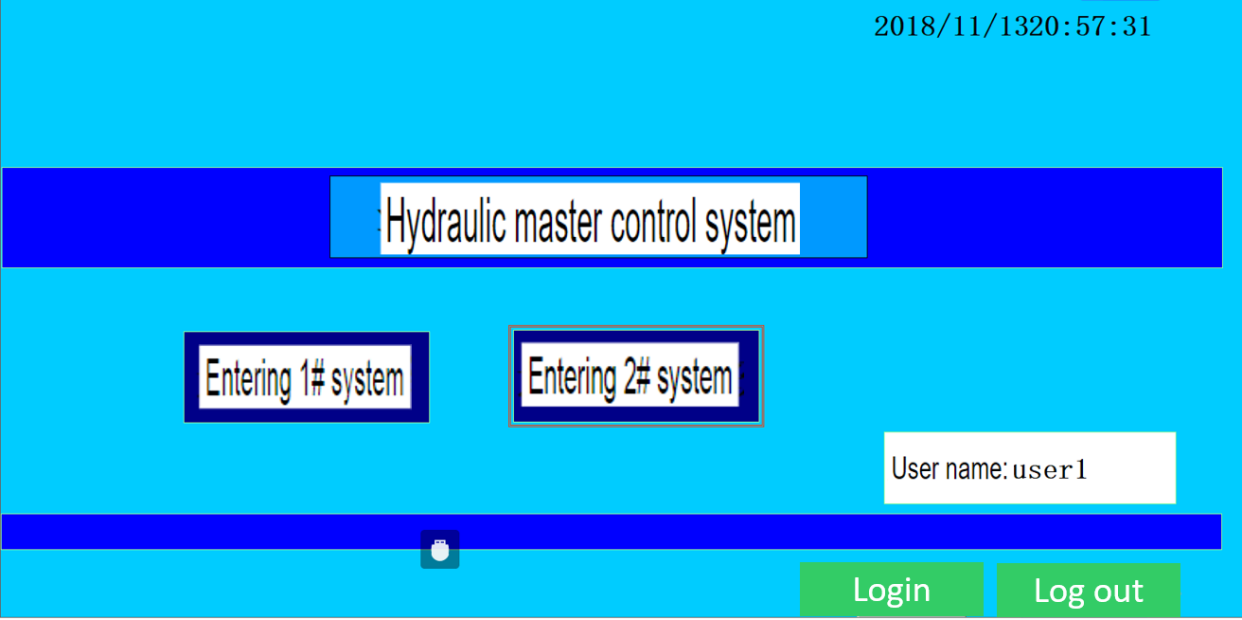
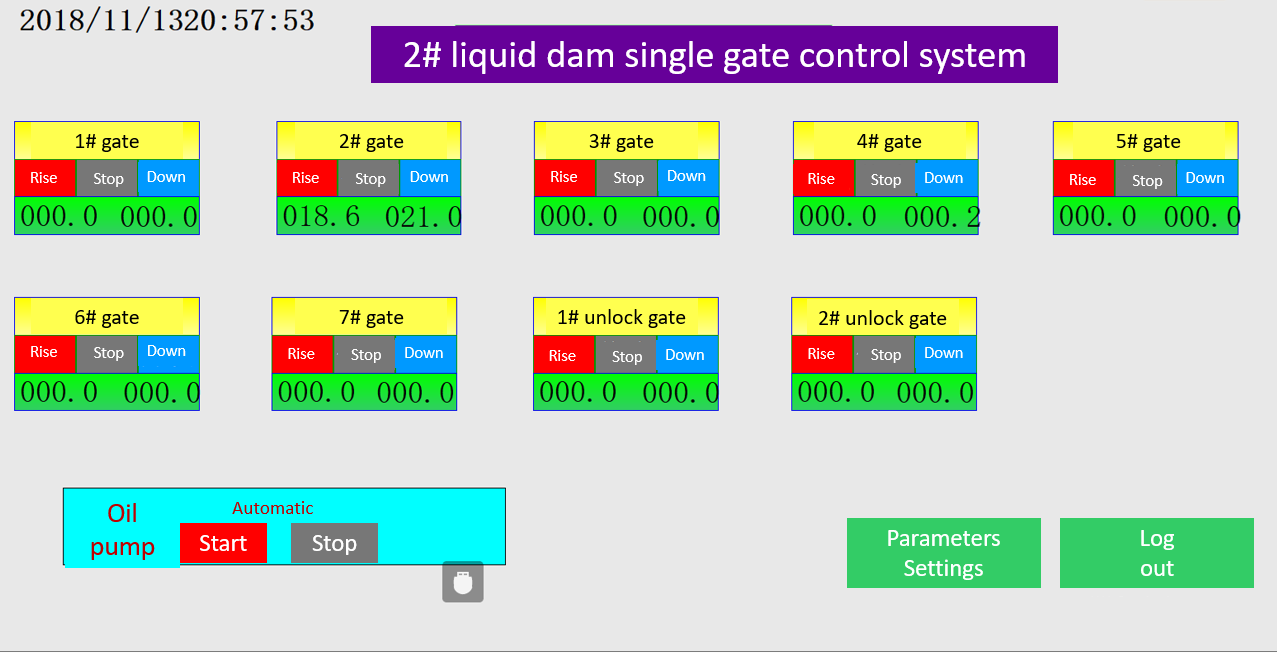
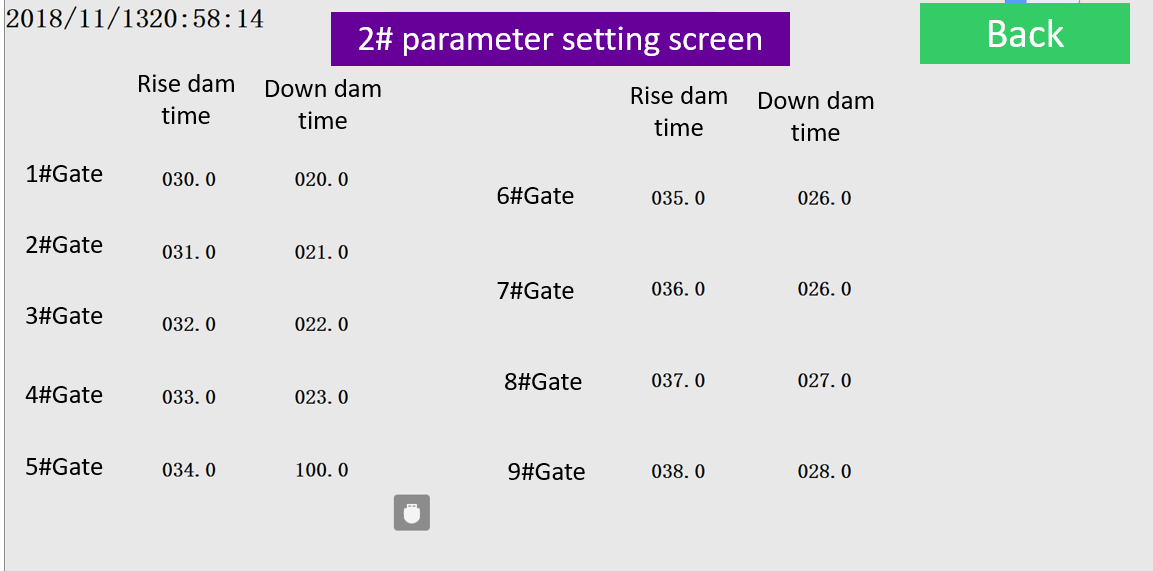
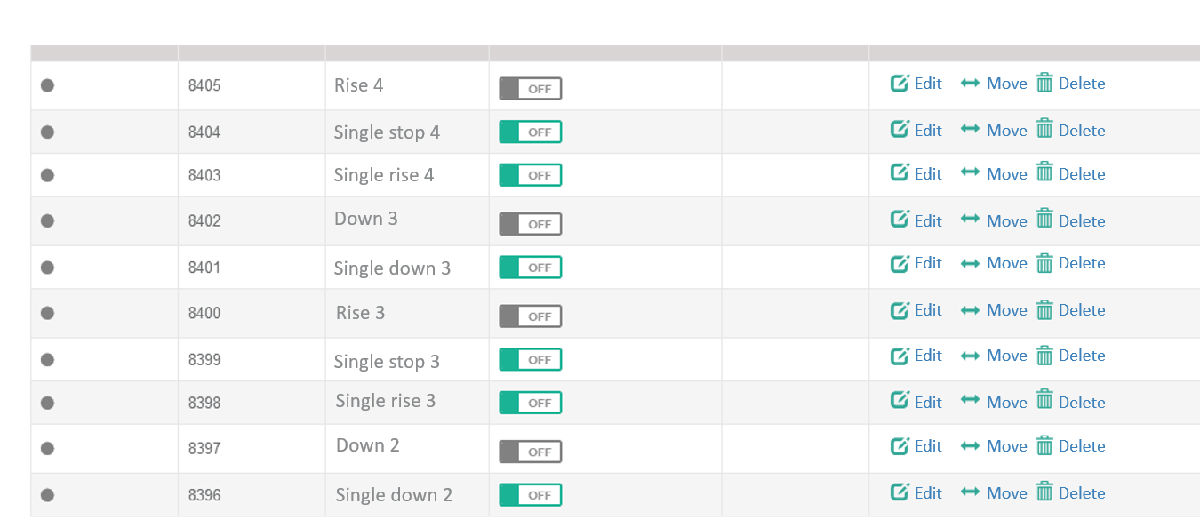
Alarm devices are clearly shown on the map, and users can click each device to view detailed information.
Advantages
1. Supports major PLC brands and various Internet access methods.
2. Data monitoring and device management available on PC, mobile app, and web interface.
3. Supports multi-user access control, allowing personnel such as managers, field technicians, and customers to access different equipment with different permission levels.
4. Data is transmitted to the cloud server while also stored locally, supporting remote query, reconnection, and retransmission to ensure data integrity.
5. Supports remote PLC program upload/download and online debugging, significantly reducing labor and maintenance cost and improving O&M efficiency.